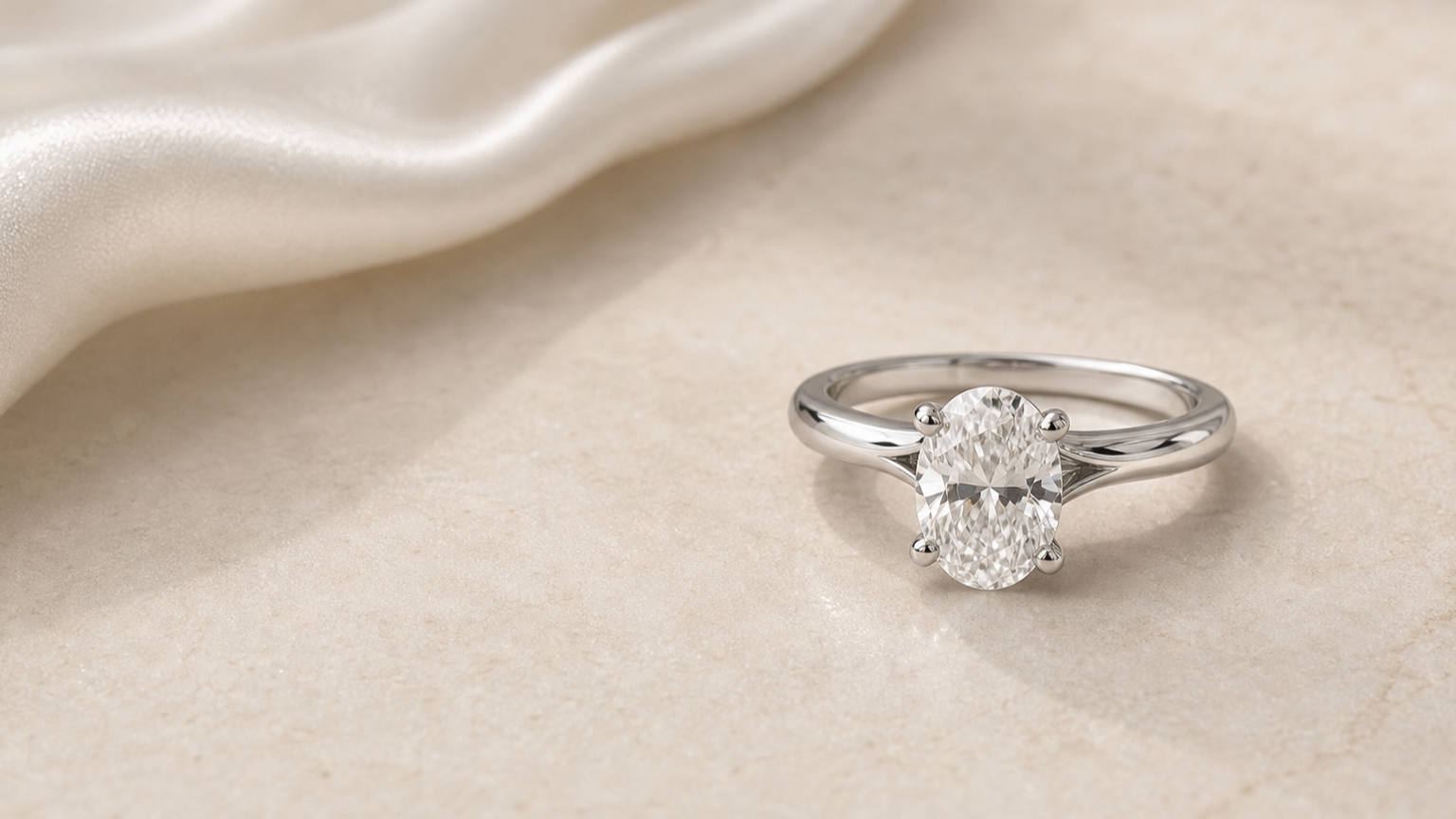
At a Glance
If you are beginning your search and wondering what are lab-grown diamonds, the simplest answer is this: lab-grown diamonds are real diamonds created in a laboratory rather than formed underground. They are composed of carbon arranged in a diamond crystal structure and can offer the same brilliance, hardness, and beauty associated with natural diamonds.
They are not cubic zirconia, moissanite, or imitation stones. Those are diamond simulants. A lab-grown diamond is a diamond — but its origin is technological rather than geological.
For the modern buyer, lab-grown diamonds offer a refined way to choose fine jewelry with greater transparency around origin, design, and quality. As with any diamond, the details matter: cut, colour, clarity, carat weight, setting, craftsmanship, and independent grading all shape the final piece.
Key Takeaways
- Lab-grown diamonds are real diamonds created in controlled laboratory environments.
- They share the same essential chemical composition and crystal structure as natural diamonds.
- The two main creation methods are HPHT and CVD.
- Lab-grown diamonds are graded using the same core quality factors: cut, colour, clarity, and carat weight.
- They should be purchased with attention to certification, craftsmanship, and the setting as a complete jewel.
- Lab-grown diamonds are distinct from simulants such as cubic zirconia or moissanite.
- Diamond jewelry should be chosen for beauty, wearability, and meaning — not treated as an investment vehicle.
In This Guide
This lab-grown diamond guide explains:
1. What a lab-grown diamond is 2. Whether lab-grown diamonds are real diamonds 3. How lab-created diamonds are made 4. How they compare with natural diamonds 5. Why modern buyers choose them 6. What to look for before purchasing 7. Lumière’s perspective on choosing refined diamond jewelry
What Are Lab-Grown Diamonds?
Lab-grown diamonds are diamonds created above ground using advanced technology that replicates the natural conditions under which diamonds form. Instead of developing deep within the Earth over immense geological time, they grow in highly controlled laboratory environments.
A finished lab-grown diamond has the same essential material identity as a natural diamond: carbon atoms bonded in a diamond crystal lattice. This structure is what gives a diamond its celebrated hardness, light performance, and enduring brilliance.
The term “lab-grown” refers to origin, not imitation. Other phrases you may encounter include:
- Lab-created diamonds
- Laboratory-grown diamonds
- Man-made diamonds
- Cultivated diamonds
- Synthetic diamonds
“Before choosing a diamond, it helps to separate origin from quality. A diamond can be lab-grown or natural; in both cases, its beauty depends on proportion, cut, clarity, colour, and craftsmanship.”
Are Lab-Grown Diamonds Real Diamonds?
Yes. Lab-grown diamonds are real diamonds.
They are not coated crystals, glass, or lookalike gems. A trained gemological laboratory can identify whether a diamond is lab-grown or natural through advanced testing, but to the eye, a well-cut lab-grown diamond can display the fire, scintillation, and luminosity expected from a fine diamond.
The distinction is origin:
| Type | What It Is | Diamond? |
|---|---|---|
| Lab-grown diamond | Carbon crystal diamond grown in a laboratory | Yes |
| Natural diamond | Carbon crystal diamond formed underground | Yes |
| Cubic zirconia | Synthetic zirconium dioxide | No |
| Moissanite | Silicon carbide gemstone | No |
| Glass or crystal | Imitation material | No |
This is why the question “are lab-grown diamonds real” has a clear gemological answer: yes, they are diamonds. The more useful buying question is whether a particular lab-grown diamond is well cut, beautifully proportioned, responsibly represented, and suited to the piece of jewelry you wish to wear.
How Are Lab-Grown Diamonds Created?
Most lab-grown diamonds are created using one of two methods: HPHT or CVD. Both can produce genuine diamonds, although they use different technical processes.
HPHT: High Pressure, High Temperature
HPHT stands for High Pressure, High Temperature. This method uses intense pressure and heat to replicate the conditions associated with natural diamond formation. A diamond seed is placed in an environment where carbon can crystallise around it, gradually forming a larger diamond.
HPHT can produce high-quality diamonds and is also sometimes used in diamond colour treatment. A grading report should clearly identify relevant treatments or growth characteristics where applicable.
CVD: Chemical Vapor Deposition
CVD stands for Chemical Vapor Deposition. In this method, a diamond seed is placed in a chamber filled with carbon-rich gas. Under controlled conditions, carbon atoms separate from the gas and deposit layer by layer onto the seed, growing into diamond crystal.
CVD growth allows for precise control and is widely used in the modern lab-grown diamond market. As with HPHT diamonds, final quality varies; the method alone does not determine beauty.
How Do Lab-Grown Diamonds Compare to Natural Diamonds?
Lab-grown and natural diamonds are closely related in appearance and material structure, but they differ in origin and market dynamics.
| Feature | Lab-Grown Diamonds | Natural Diamonds |
|---|---|---|
| Origin | Created in a laboratory | Formed naturally underground |
| Composition | Carbon crystal diamond | Carbon crystal diamond |
| Appearance | Can look identical to the unaided eye | Can look identical to the unaided eye |
| Grading | Assessed by cut, colour, clarity, carat | Assessed by cut, colour, clarity, carat |
| Identification | Detectable with specialist equipment | Detectable with specialist equipment |
| Price relationship | Often lower than comparable natural diamonds | Often higher due to natural origin and market factors |
It is important not to reduce the comparison to a single “better or worse” answer. Some buyers value geological rarity and tradition. Others prefer the precision and origin transparency of lab-created diamonds. Both choices can be beautiful when the stone is well selected and the jewelry is well made.
For a deeper comparison, read our guide to lab-grown vs natural diamonds.
Synthetic Diamonds vs Lab-Grown Diamonds: Understanding the Language
The phrase “synthetic diamonds” can be confusing. In gemology, “synthetic” often means a material has the same chemical composition and structure as its natural counterpart but was created by human-directed processes. In that technical sense, a lab-grown diamond may be called synthetic.
In everyday language, however, “synthetic” can sound like “fake,” which is why many fine jewelry brands and buyers prefer “lab-grown” or “lab-created.” These terms communicate origin more clearly.
The essential distinction is:
- Lab-grown diamond: a real diamond created in a laboratory
- Diamond simulant: a different material made to resemble diamond
- Natural diamond: a real diamond formed through geological processes
Clear language matters because it builds trust. A reputable jeweler should identify lab-grown diamonds accurately and never imply that they are natural diamonds.
Why Modern Buyers Choose Lab-Grown Diamonds
Modern diamond jewelry is increasingly shaped by personal values, design intention, and informed choice. Many buyers choose lab-grown diamonds because they appreciate their beauty, their contemporary origin, and the ability to compare quality with clarity.
Common reasons include:
- Beauty: A well-cut lab-grown diamond can offer exceptional brilliance.
- Design flexibility: Buyers may be able to consider different sizes, shapes, or settings within a given budget.
- Origin transparency: Lab-grown diamonds have a clearly defined creation environment.
- Modern meaning: Many couples and jewelry lovers appreciate a diamond that reflects innovation and contemporary values.
- Everyday elegance: Lab-grown diamonds suit engagement rings, wedding jewelry, earrings, pendants, bracelets, and refined daily pieces.
These reasons are personal. The right diamond is not simply the one with the highest specifications. It is the one that feels beautifully aligned with the person who will wear it.
What Should You Look for When Buying One?
When buying a lab-grown diamond, begin with the same principles used for any fine diamond purchase.
1. Cut quality
Cut is one of the most important factors in a diamond’s beauty. It affects how light enters, reflects, and returns to the eye. A diamond with strong cut quality can appear lively and luminous; a poorly cut diamond may look dull even if its colour and clarity grades seem impressive.
2. Colour grade
Diamond colour is graded on a scale, often from D to Z for white diamonds. Many buyers prefer near-colourless or colourless diamonds, particularly for engagement rings. The ideal grade depends on the diamond shape, setting metal, and personal preference.
3. Clarity grade
Clarity refers to internal inclusions and external blemishes. Many inclusions are not visible without magnification. For jewelry, the goal is often an “eye-clean” diamond: one that appears clean to the unaided eye in normal viewing conditions.
4. Carat weight
Carat measures weight, not physical size alone. Shape and cut proportions influence how large a diamond appears. An elongated oval, pear, or marquise may appear larger face-up than a round diamond of the same carat weight.
5. Shape and setting
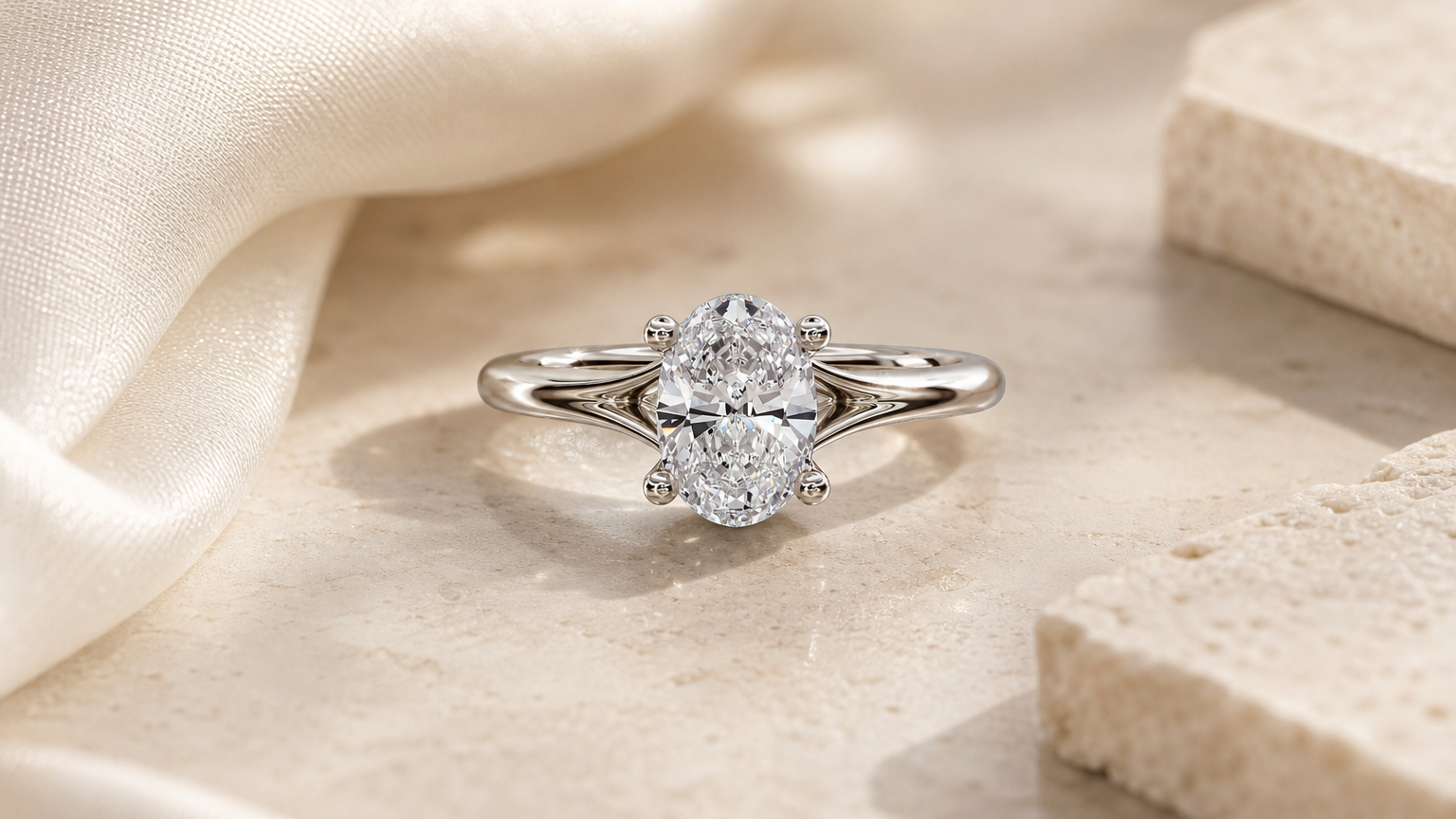
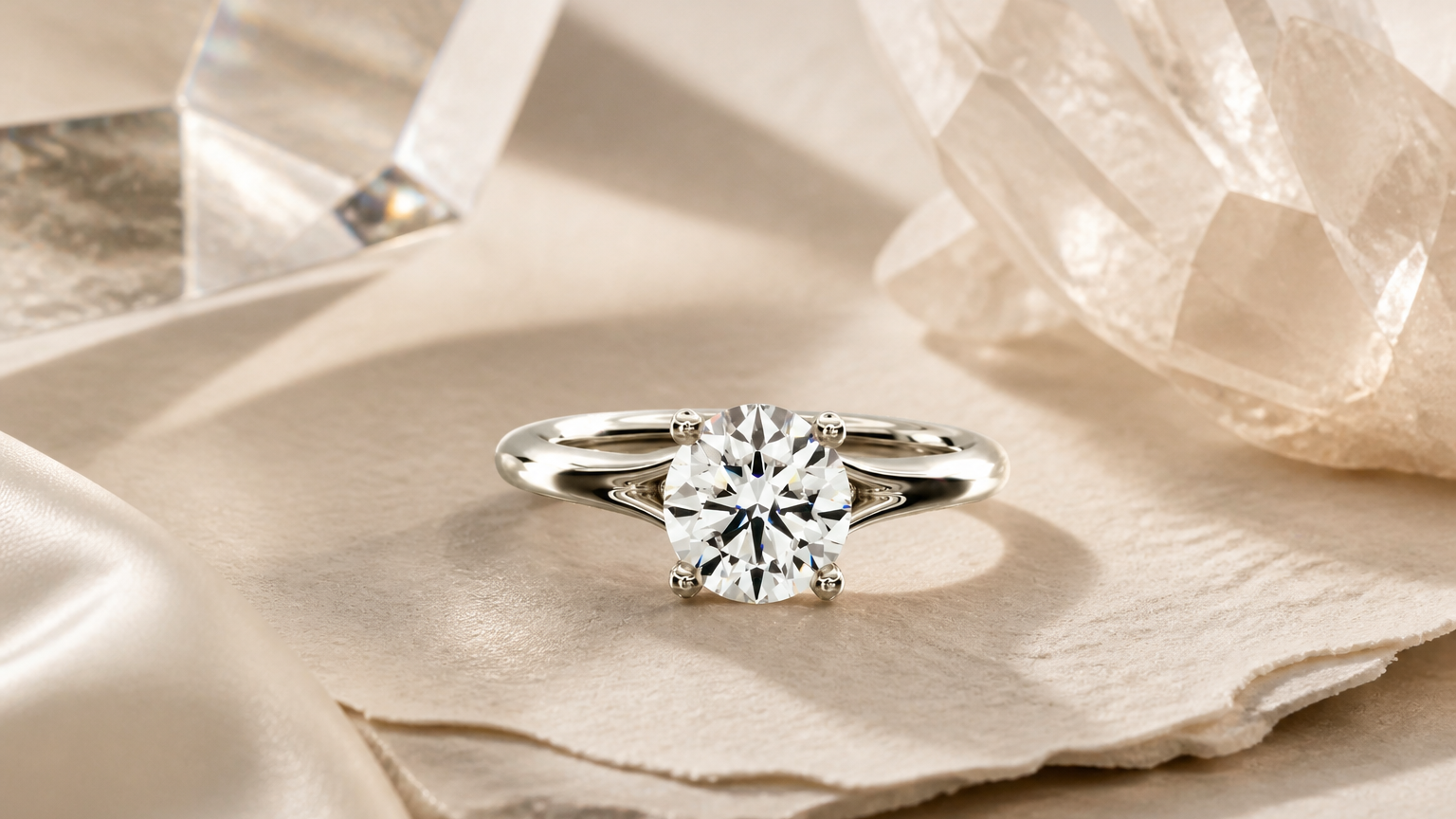
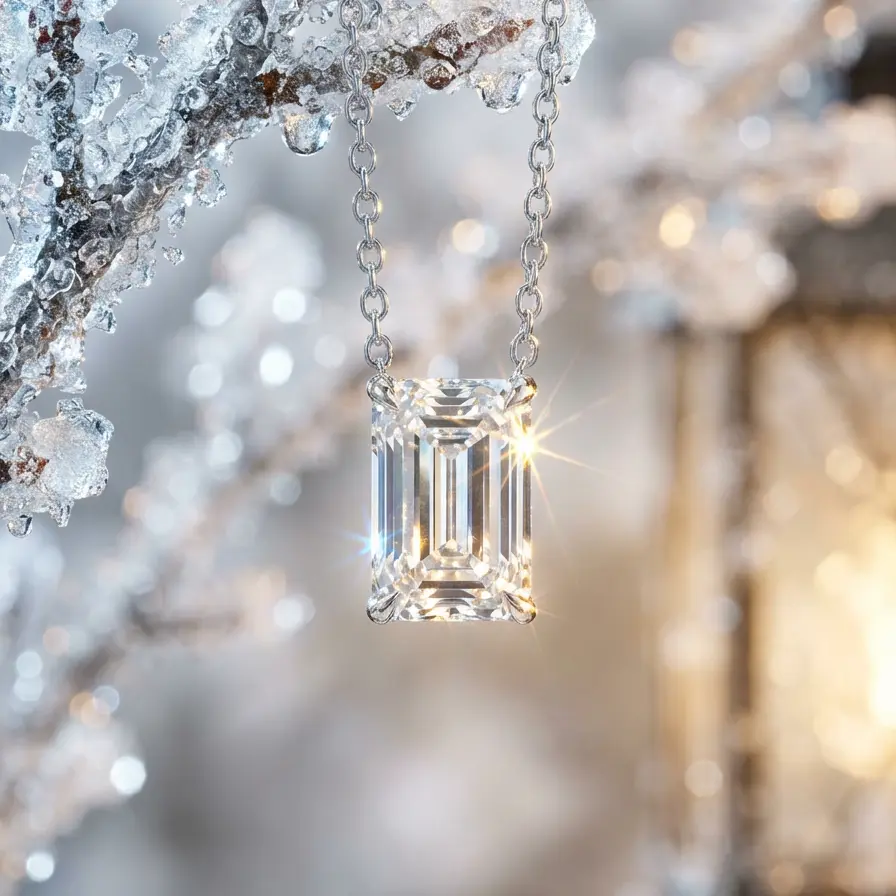
Round brilliant, oval, emerald, cushion, pear, radiant, and marquise diamonds each express light differently. The setting also changes the mood of the jewel — from a classic solitaire to a refined halo, three-stone design, or minimal bezel.
6. Independent grading
A grading report provides details about the diamond’s identity and quality characteristics. Not every lab-grown diamond is accompanied by the same type of documentation, so buyers should ask what laboratory issued the report and what information it includes.
For more detail, visit our guide to diamond certification explained.
Certification, Transparency, and Trust
A considered purchase begins with clear information. For lab-grown diamonds, certification and disclosure are especially important because origin is a defining feature.
A trustworthy jeweler should be able to tell you:
- Whether the diamond is lab-grown or natural
- The diamond’s carat weight, cut, colour, and clarity
- Whether it has an independent grading report
- Which laboratory issued the report
- The metal used in the setting
- The craftsmanship and care recommendations for the finished jewel
Certification does not make every diamond equal. It is a tool for comparison, not a substitute for taste, proportion, or expert guidance. Two diamonds with similar grades may look different in person because of cut precision, facet pattern, fluorescence, or overall make.
Trust comes from both documentation and discernment.
Choosing Lab-Grown Diamonds for Modern Diamond Jewelry
Lab-grown diamonds are particularly well suited to modern diamond jewelry because they allow designers to work with clarity, proportion, and intention. In fine jewelry, the stone is only one part of the composition. The setting, gold, prongs, polish, balance, and wearability all shape the final impression.
Consider how the piece will be worn:
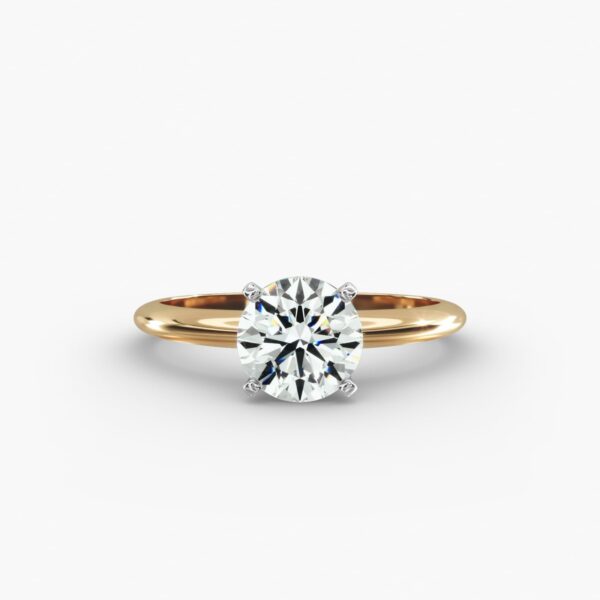
- Engagement rings: Prioritise cut, setting security, and long-term comfort.
- Diamond earrings: Look for matched stones with balanced colour and brilliance.
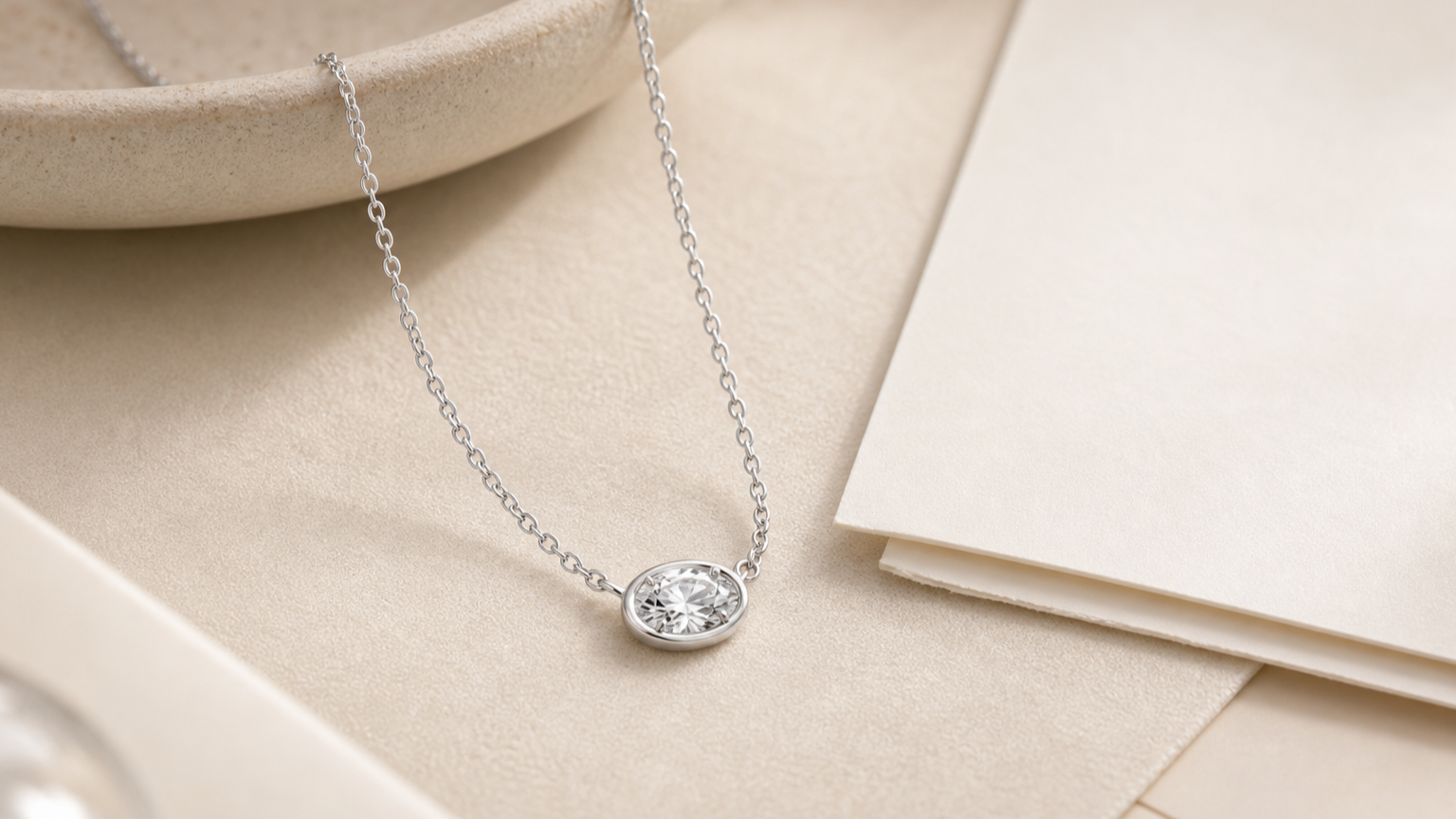
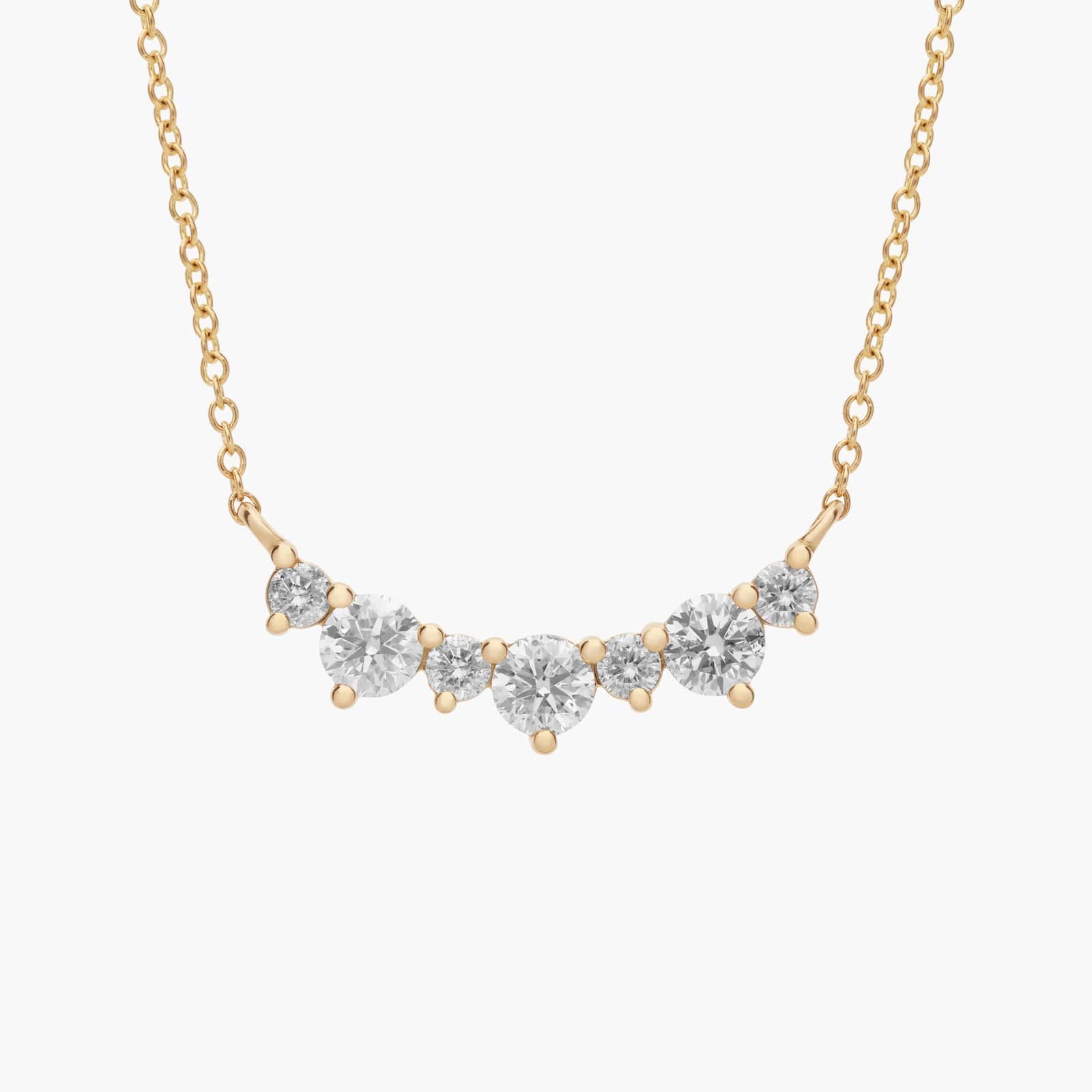
- Pendants: Choose a size and shape that sits beautifully on the neckline.
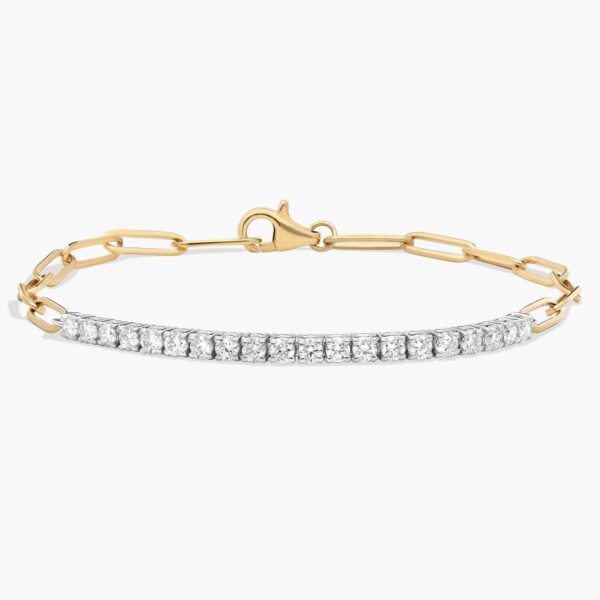
- Bracelets: Consider durability, clasp quality, and ease of daily wear.
- Everyday rings: Ensure the profile suits your lifestyle and hand movement.
At Lumière, the aim is not excess. It is proportion, light, and refinement — jewelry that feels meaningful without needing to announce itself loudly.
Lumière's Perspective
At Lumière, we view lab-grown diamonds as a natural expression of modern fine jewelry: precise, luminous, and beautifully suited to contemporary life. Their appeal lies not only in how they are made, but in how thoughtfully they can be chosen and set.
We believe the most elegant diamond purchase begins with knowledge. A buyer should understand what a lab-grown diamond is, how it is graded, and how its quality translates into beauty on the hand, at the ear, or against the skin.
Our perspective is simple: choose a diamond for its light, its craftsmanship, its emotional resonance, and the quiet pleasure of wearing it. When set in 18K gold with care and proportion, a lab-grown diamond becomes more than a technical achievement. It becomes a piece of modern meaning.
Frequently Asked Questions
Are lab-grown diamonds real diamonds?
Yes. Lab-grown diamonds are real diamonds with the same essential carbon crystal structure as natural diamonds. Their difference is origin: they are created in a controlled laboratory environment rather than formed underground.
Can you tell the difference between lab-grown and natural diamonds by looking?
Usually, no. To the unaided eye, a well-cut lab-grown diamond can look the same as a natural diamond of comparable quality. Specialist gemological equipment is used to identify origin.
Are lab-grown diamonds the same as cubic zirconia?
No. Cubic zirconia is a diamond simulant made from a different material. A lab-grown diamond is actual diamond, while cubic zirconia only resembles diamond visually.
Do lab-grown diamonds come with certificates?
Many lab-grown diamonds are accompanied by independent grading reports, but buyers should confirm this before purchase. A report may include details such as carat weight, colour, clarity, cut, measurements, and lab-grown origin.
Should I choose a lab-grown diamond for an engagement ring?
A lab-grown diamond can be a beautiful choice for an engagement ring if it suits your preferences, budget, and values. Focus on cut quality, setting craftsmanship, certification, and how the ring feels as a long-term personal piece.
Continue Reading
- Lab-Grown vs Natural Diamonds: What Is the Difference?
- Are Lab-Grown Diamonds Real?
- Diamond Certification Explained
Explore Related Jewelry
Explore Lab-Grown Diamond Jewelry
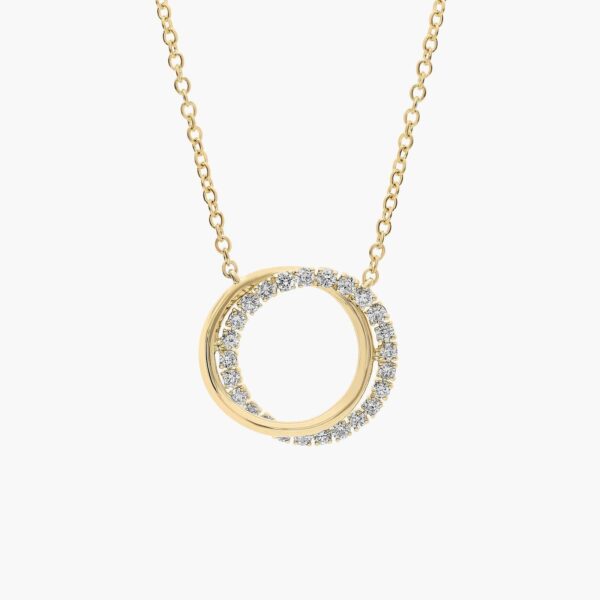
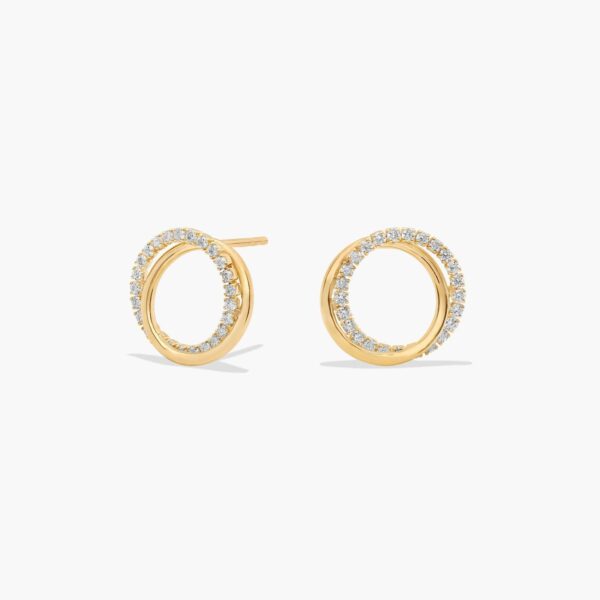
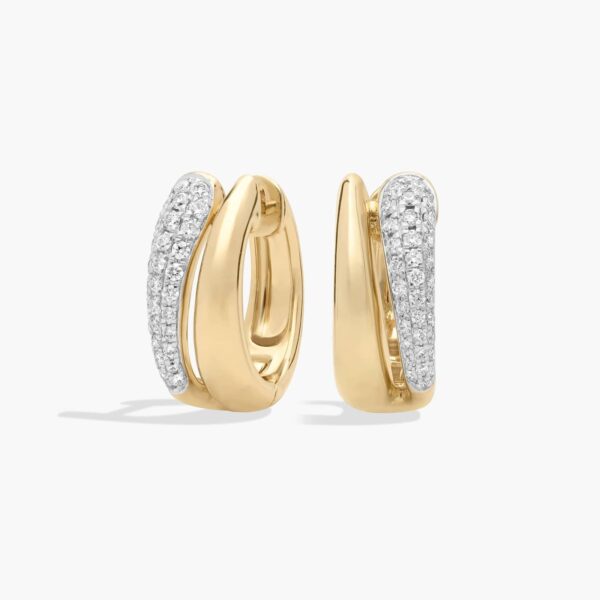
Discover lab-grown diamond pieces crafted in 18K gold — created for brilliance, clarity, and modern meaning.